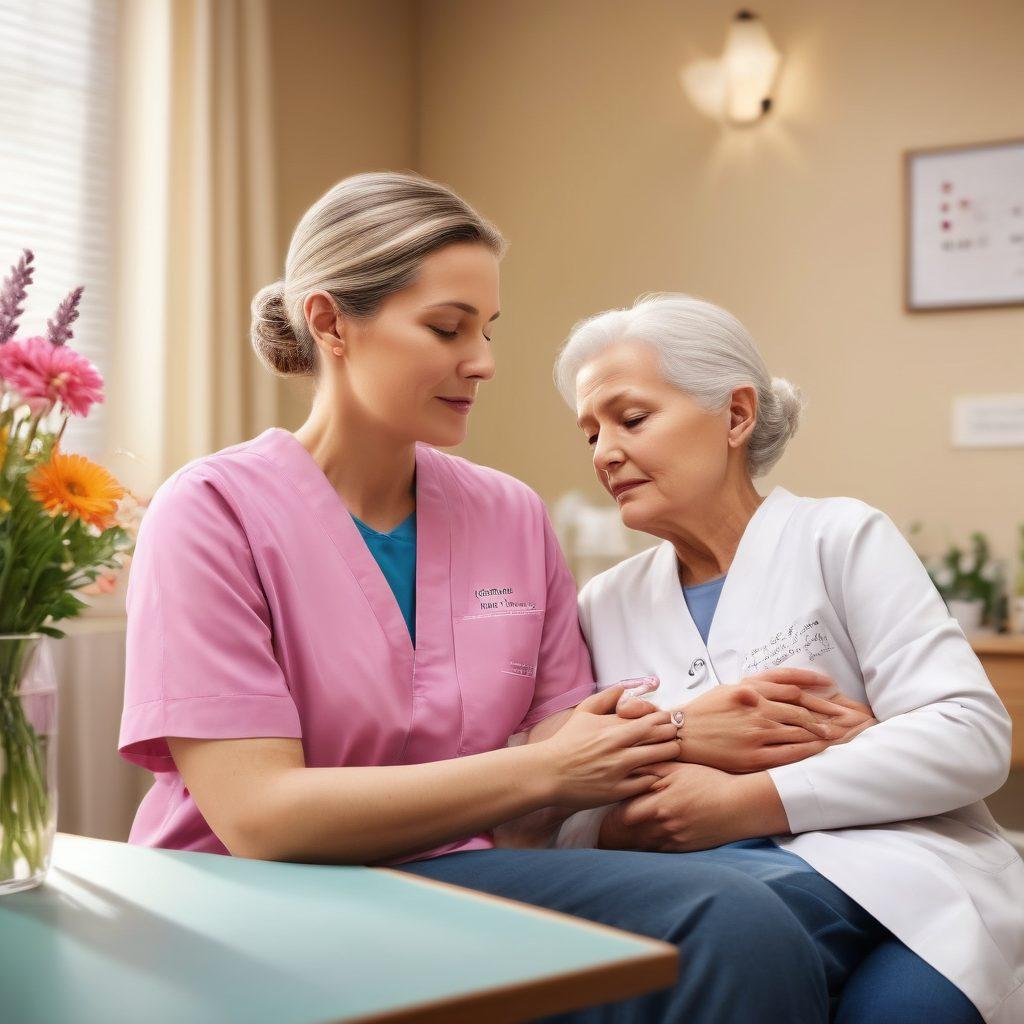
Navigating the Journey: Your Comprehensive Guide to Cancer Wellness and Patient Support
In the face of a cancer diagnosis, one often feels as if the ground has been swept from beneath them. The challenges posed by malignancy, whether it’s a tumor or carcinoma, can seem overwhelming. However, amidst the uncertainty and fear, lies a powerful opportunity for empowerment. By adopting practical strategies for cancer wellness, you can navigate this journey with resilience and hope. What if you could turn your cancer experience into a story of survival and advocacy?
An essential first step toward empowerment is through education. Understanding your specific malignancy, the types of treatments available, and the role of the oncologist in your journey can illuminate paths previously hidden in shadows. Engage actively in your healthcare; ask questions, seek clarity on therapies, and learn about clinical trials that could potentially be beneficial in your cancer treatment. This knowledge can transform the passive experience of being a patient into an active role as an educated advocate for your health.
Lifestyle changes play a monumental role in enhancing wellness during cancer treatment. Consider incorporating nutrient-dense foods, regular physical activity, and mindfulness practices into your routine. It’s important to acknowledge that every small change contributes to your overall well-being, allowing you to manage symptoms more effectively. Have you ever experienced the uplifting power of a daily jog or a fulfilling yoga class? These are not merely exercises; they are affirmations of your strength and commitment to survivorship.
Another crucial component of your cancer journey is the power of community support. Surrounding yourself with family, friends, and support groups can create a robust network that uplifts you during challenging times. Sharing experiences with fellow survivors can be incredibly cathartic and illuminating. Fundraising for cancer awareness or participating in events can also fuse your personal journey with a collective mission, creating a sense of purpose. How can your story pave the way for advocacy in your community?
Finally, considering alternative therapies as part of your holistic health approach can be incredibly beneficial. While conventional treatments are crucial, exploring integrative therapies can provide additional layers of comfort and healing. Practices such as acupuncture, meditation, or even art therapy have been known to support symptom management and emotional health. Each person’s journey through patient support is distinctly unique — what steps will you take to facilitate your own healing?
From Diagnosis to Survivorship: Essential Support for Patients
The moment a doctor utters the word 'cancer,' a whirlwind of emotions sweeps through the patient and their loved ones. Whether it's a diagnosis of a malignancy, carcinoma, or tumor, the initial shock can leave anyone feeling overwhelmed. However, navigating this journey from diagnosis to survivorship doesn't have to be faced alone. Today's medical blog emphasizes that patients are not just subjects undergoing treatment—they are warriors embarking on a quest for wellness. How can we ensure that each step taken is a positive and empowering one, amidst fear and uncertainty?
At the center of every cancer journey lies an essential truth: education is power. Understanding the types of cancer, various treatment options, and the role of oncologists in a patient's journey can significantly enhance one's experience. Engaging in conversations about therapies—be it traditional treatments or alternative therapies—can open up new avenues for hope and healing. As the famous saying goes, 'knowledge is the best medicine.' So, how do we become educated advocates for our health? By asking questions, seeking out comprehensive resources, and participating in community support groups devoted to cancer awareness.
As patients venture down this winding road filled with clinical trials and cancer treatment options, they must also be actively involved in their own symptom management. With every appointment, every therapy session, there lie choices that can influence not just physical health but emotional wellness too. Lifestyle changes, such as adopting a nutritious diet and engaging in gentle exercise, can play a crucial role in enhancing overall wellbeing. This brings us to a compelling question: how can small adjustments in our daily lives foster a more positive cancer experience?
Support doesn’t just come from healthcare professionals; it blossoms from family, friends, and community. Engaging in fundraising initiatives or local events in support of cancer research can create a sense of belonging and purpose. Remember, the journey toward survivorship is not a solitary one. It’s a collective effort that encompasses advocacy and community support. Sharing personal experiences can forge connections with others and offer hope where it seems scarce. As we rally together, we can raise a much-needed voice for early detection, screening, and the importance of regular check-ups in the fight against cancer.
Finally, as we transition from being patients to survivors, it's vital to embrace the principles of holistic health. This approach recognizes the significance of mental, emotional, and physical wellbeing in the recovery process. Survivorship is not just the absence of cancer, but rather, the embrace of a vibrant life full of purpose. This milestones signifies not just an end, but a beautiful beginning. What legacy do you wish to create in your journey toward thriving? As you reflect on your paths to wellness, remember—while the scars of the battle may remain, the spirit of resilience and hope shines even brighter.
Navigating Treatment Options: Understanding Therapies and Community Resources
Navigating the complex landscape of cancer treatment can feel like embarking on an uncharted journey. With a cacophony of information and options at your fingertips, it’s easy to feel overwhelmed. But, as they say, knowledge is power! This blog post seeks to unravel some of the uncertainties surrounding therapies and community resources for patients battling malignancies like carcinoma and tumors. Whether you’re actively pursuing cancer treatment or supporting a loved one, understanding the available options is critical to your wellness and journey towards survivorship.
When faced with a cancer diagnosis, the first step often leads you to an oncologist. However, the path may branch out into various avenues of treatment and support, filled with potential therapies. Traditional methods, including chemotherapy and radiation, have long been the mainstay of cancer care. But have you heard about clinical trials? These invaluable programs not only provide access to cutting-edge therapies but also contribute to the greater cause of cancer awareness and education. Asking your healthcare provider about the candidacy for these trials can open doors to new horizons in your treatment journey.
The inkling of hope in navigating treatment options often comes from community support. Local organizations and online forums are abundant with resources that can guide you through your treatment plan. Imagine connecting with others who share similar experiences, engaging in candid discussions about symptom management, and exchanging tips about lifestyle changes that can enhance your quality of life during treatment. After all, cancer doesn’t just affect the body—it impacts the spirit too. As Helen Keller once said, 'Alone we can do so little; together we can do so much.' Each connection forged within these communities can provide a vital lifeline.
Have you considered integrating alternative therapies into your treatment plan? From acupuncture to meditation, these holistic health options can coexist alongside traditional treatments, potentially alleviating some symptoms while contributing to your overall wellness. When combined with standard cancer therapies, such approaches may enhance resilience against the side effects of treatment – so don’t shy away from exploring various options. Discussions with your healthcare provider on how to safely blend these practices into your regimen could offer the balance you need during such challenging times.
Ultimately, managing your cancer journey requires advocacy—both for yourself and those around you. Engaging in fundraising efforts for research, participating in early detection and screening initiatives, and committing to a lifestyle that prioritizes health are all powerful actions you can take. Your journey might not only pave the way for your healing but could also ignite a ripple effect of awareness and support in your community. So let us transform this daunting path into a trail paved with hope, community, and the promise of better days to come!